







Search Results for: Grinder Adjustment Tips
Hand Grinder Adjustment Tips and Grind Size Selection Guide: Uniformity, Materials, and Common Issues Explained
Manual coffee grinders are favored by many coffee enthusiasts for their portability and value for money, but how to correctly adjust the grind size settings and judge grind quality confuses quite a few people. Starting from practical use, this article explains in detail how to evaluate a grinder's condition by observing the stability of the central shaft, particle uniformity, and overall materials, and takes an in-depth look at the common problems of manual coffee grinders, such as uneven grinding, loss of aroma caused by heat, low efficiency, and wooden bases that are easily damaged. At the same time, the article also offers targeted solutions and recommends related products from Front Street Coffee to help you better choose and use a manual coffee grinder and improve your coffee-making experience. [more…]
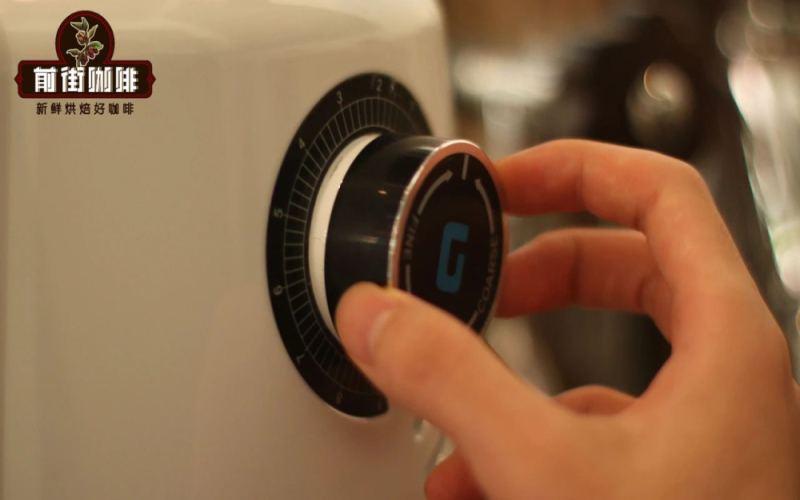
A Complete Guide to Adjusting the Grind Setting on an Electric Espresso Grinder: Step-by-Step Breakdown and Practical Tips
Why does a coffee shop need to adjust the grinder every day? How does grind size affect extraction? Starting from the principles of grinding, this article systematically explains how to adjust the settings on an electric espresso grinder, including how to judge the quality of the grounds, the specific operating steps, the relationship between the output and the grind setting on an electronic grinder, and practice suggestions for the water-to-coffee ratio. Whether you are a new barista or a seasoned enthusiast, you can find practical adjustment ideas here to make every shot of espresso consistently excellent. [more…]
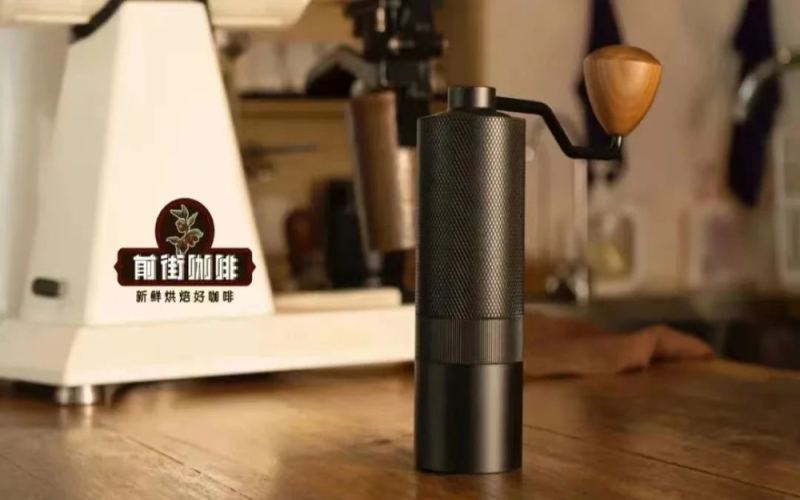
Hand Grinder User Guide: Burr Structure, Adjustment Settings, and Key Points for Controlling Grind Size
The manual coffee grinder is an essential tool for many pour-over enthusiasts. Beyond price differences, different brands and models directly influence the grinding quality of coffee grounds. It is suitable for home use and can also be combined with French presses, AeroPresses, moka pots, and other devices to create a portable coffee solution for outdoor or travel use. This article, from the perspective of Front Street, systematically explains the burr structure, dial adjustment, handle drive, bean hopper, and grounds container functions of manual coffee grinders, and shares proper grinding operations, grind size selection for different brewing methods, as well as daily cleaning and regular maintenance tips to help you improve grind uniformity and coffee flavor. [more…]

How to Fix Coffee Grounds That Are Too Coarse? Sharing Honey Queen 8.0 Pour-Over Parameter Adjustments and Practical Tips
When brewing coffee, the grind size directly determines the surface area where water meets the coffee and the speed at which hot water passes through, and even a slight deviation can ruin the entire cup's flavor. If a moment of carelessness leaves the beans ground too coarse, how can you salvage the situation? This article compiles several practical remedies—from re-grinding to flexible adjustments of water temperature and time—and, using Guji Huakui 8.0 as an example, provides complete parameters and steps to still brew a clean, full-bodied cup even after the grind has come out coarse. Whether you use a hand grinder or rely on pre-ground coffee from a vendor, you can find a corresponding adjustment plan to bring each cup as close to ideal as possible. [more…]
Espresso Morning Calibration Grinding Strategy: Use Three Coffee Bean Batches to Quickly Lock In the Day's Extraction Parameters
Adjusting the espresso recipe every morning is a required course for many baristas, but many people waste a large amount of beans through repeated trial and error, which is costly and can easily lead to heart palpitations from drinking too much. Front Street Coffee also went through this stage, and ultimately it was because they kept staring only at the grind setting and adjusting repeatedly, without finding the true source of the problem. This article sorts out from the beginning a method for determining the day's extraction formula within three shots: first determine whether the grind needs to be changed, then infer underextraction or overextraction from the taste, and finally master the two key details when adjusting the grinder—distinguishing the size of the adjustment increment and purging residual grounds. The article also includes practical tips such as preheating the blind basket, helping reduce waste and improve morning adjustment efficiency. [more…]
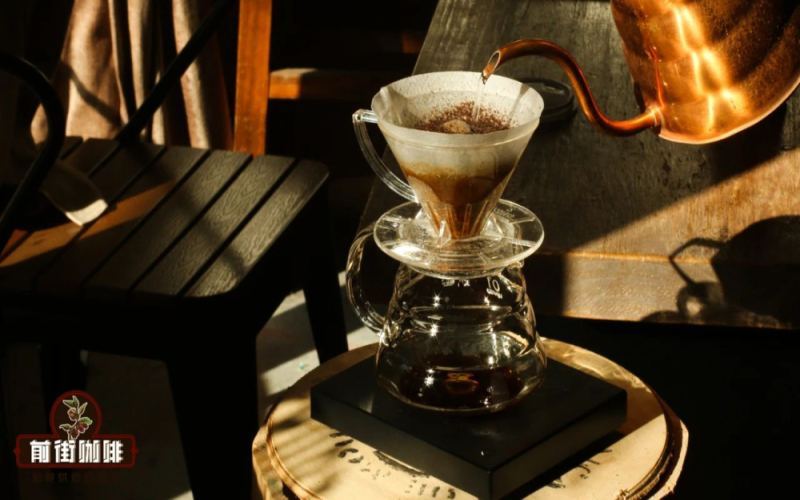
Can coffee grounds be eaten directly? Reasons for brewing failures and practical tips to enhance coffee flavor
Have you ever encountered this kind of frustration: trying again and again to brew coffee at home, switching machines, switching beans, switching water, yet still unable to replicate the rich aroma of a café? Can coffee grounds actually be eaten directly? Why does the coffee you brew yourself always taste bad? This article, from the perspective of Front Street, systematically sorts out the common reasons behind poor coffee flavor—from equipment maintenance, grinder use, and extraction control, to coffee bean quality, roast level, and freshness—and further shares the key points of filter coffee tasting, including temperature changes, the choice of adding sugar, use of the senses, aroma layers, body, and flavor details. Whether you are a beginner just starting out or an enthusiast hoping to refine your skills, you can find practical directions for adjustment here. [more…]
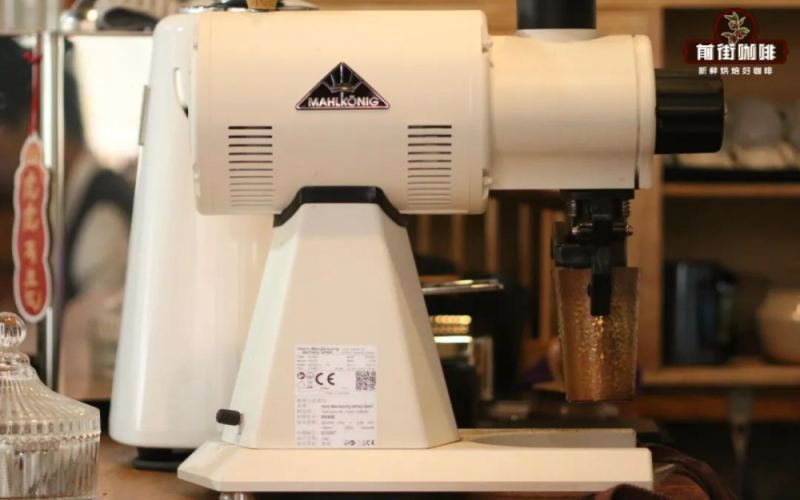
Proper Operation Guide for Electric Coffee Grinders: Practical Tips for Adjusting Dose and Grind Size, and Daily Maintenance Methods
With the growing popularity of home coffee equipment, more and more people are choosing to use a pour-over kettle paired with a small electric grinder to make freshly ground coffee at home. However, using an electric grinder is not simply a matter of plugging it in, turning it on, and dumping in beans—some improper operating habits not only affect the coffee's flavor but can also shorten the grinder's lifespan. Drawing on Front Street Coffee's practical experience, this article shares several key tips for using an electric burr grinder, including "rinsing the burrs" before grinding to avoid flavor transfer, starting the machine before adding beans to protect the burrs, and daily quick cleaning plus periodic deep cleaning as maintenance methods. Whether you are a complete beginner or someone who has been using an electric grinder for a while, these details can help you get the most out of your grinder and keep every cup of coffee tasting consistently good. [more…]
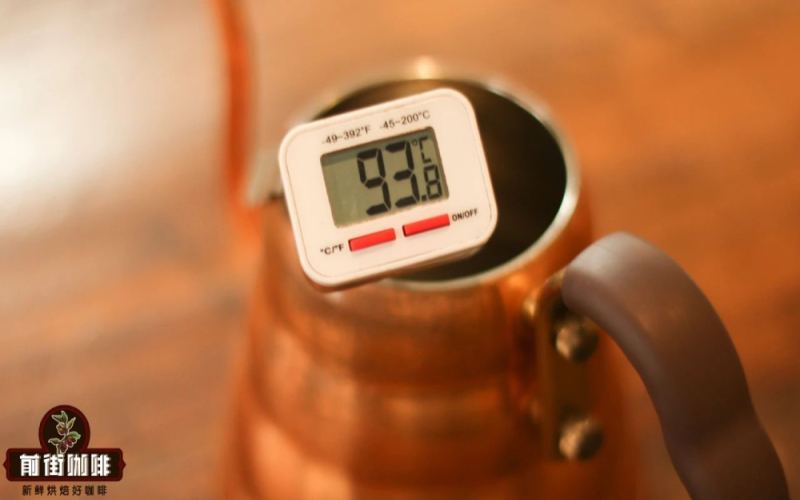
A Complete Guide to Coffee Grind Size: Grind Standards for Pour-Over, Espresso, and Moka Pot with Front Street Brewing Tips
Grind size is one of the core variables that determines the direction of coffee flavor. If the grounds are too coarse, flavor compounds are under-extracted and the coffee tastes thin as water; if the grounds are too fine, bitterness and off-flavors are over-released, throwing the cup out of balance. It is often said in coffee circles that "the grinder is more worth investing in than the coffee machine," which shows just how critical grinding is. This article systematically covers the medium-fine and medium-coarse grind standards for pour-over coffee, the practical method of sifting grounds with a 0.85mm sieve, the ultra-fine grind required for espresso under 9 bar of pressure, and the grind range for the moka pot that falls between the two. It also draws on Front Street Coffee's brewing experience to offer water temperature recommendations for different roast levels and espresso blend bean recommendations. [more…]
What to Do When Coffee Beans Are Past Their Best Flavor Window? Pour-Over Adjustment Tips and Three Waste Reuse Solutions
You bought too many and didn't finish them, or illness got in the way of brewing—and just like that, your coffee beans quietly passed their peak flavor window. Can stale beans still be brewed? What adjustments are needed during brewing? And if they're already past their expiration date, what eco-friendly and practical ways are there to reuse them? Drawing on Front Street's brewing experience, this article first covers hand-brewing strategies for stale beans—including changes to the blooming pour and grind size adjustments—then shares three proven methods for recycling coffee grounds: odor removal, cleaning, and plant fertilizer, so that not a single bean in your hands goes to waste. [more…]
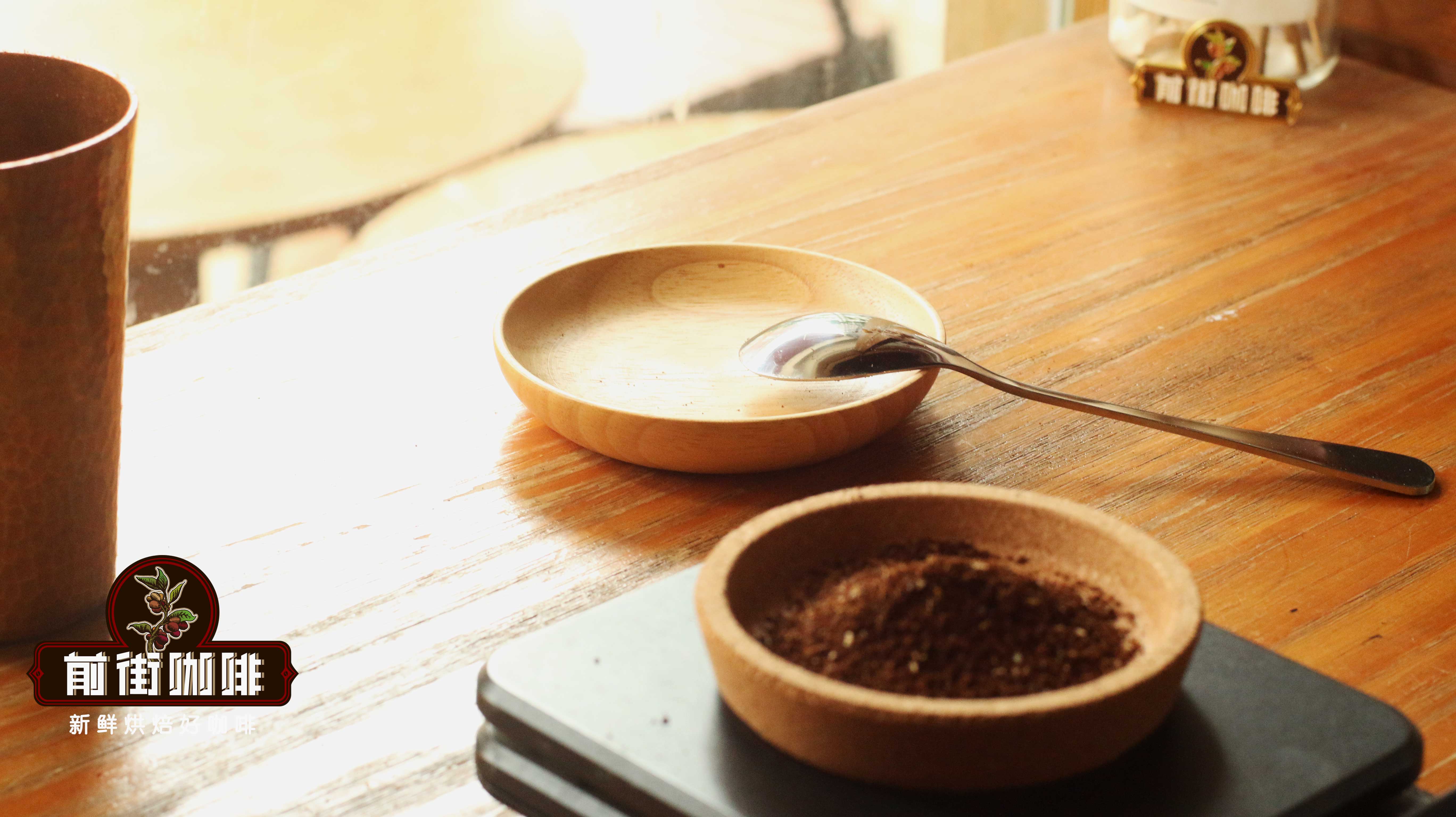
How to Determine Coffee Grind Size? Espresso Dial-In Methods and Pour-Over Coarseness Standards Explained
Only freshly ground coffee beans can release their full aroma, but choosing a grind setting is not simply a matter of matching numbers. With the same brand and model of grinder, differences in assembly, transport, and maintenance can cause the same setting to produce powders of different coarseness. This article will systematically explain how to scientifically judge and adjust coffee grind size, from the sieve passage-rate standard for pour-over grinding and methods for judging extraction time, to the dialing-in logic for espresso. Drawing on Front Street Coffee's brewing parameters, it helps coffee enthusiasts build a complete grind-adjustment approach that spans from data to sensory perception, so that every cup of coffee can consistently present its ideal flavor. [more…]
Cold Brew Coffee Beginner's Guide: Differences Between Nitro Cold Brew and Regular Cold Brew and Coffee Bean Selection Tips
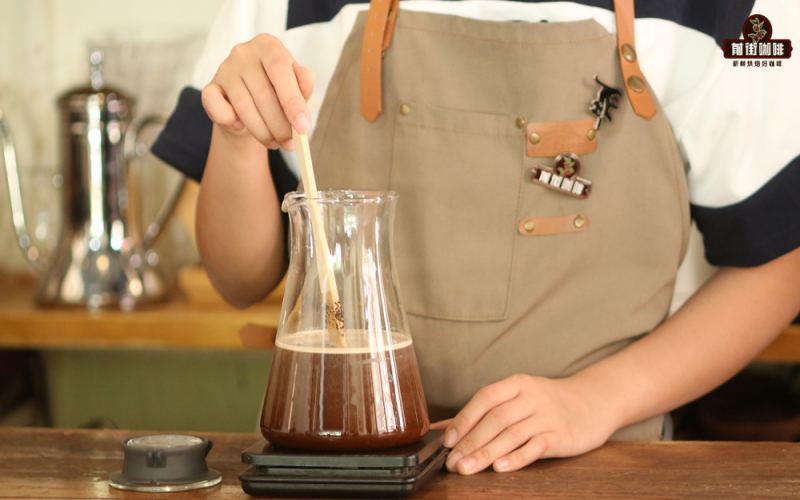
Cold brew coffee has taken the specialty coffee world by storm in recent years. Extracted through prolonged steeping in cold water, it delivers a smooth and delicate flavor profile. This article provides a systematic introduction to the definition and origins of cold brew coffee, compares the differences between nitro cold brew and regular cold brew, and shares in detail the cold brew and ice drip recipes from Front Street Coffee. From equipment preparation and grind size adjustment to coffee-to-water ratios, we'll walk you through making a summer cold brew specialty drink at home that balances aroma and mouthfeel, along with flavor references for beans such as Panama Butterfly and Honduras Sherry. [more…]
A Complete Analysis of Six Coffee Extraction Methods: Brewing Principles and Practical Tips from Pour-Over to Espresso
Extraction is the core step that determines the success or failure of a cup of coffee's flavor. Whether it's pour-over drip, espresso, or French press, different equipment corresponds to截然不同的 extraction modes. This article will systematically sort out six mainstream coffee extraction methods—immersion, decoction, percolation, pour-over drip, vacuum filtration, and pressurized extraction—and deeply break down the operational details of pour-over and espresso. From the principles of dissolution and diffusion after coffee beans are ground, to Espresso's extraction pressure, time, and water temperature parameters, and then to the formation of Crema and the golden extraction standard, it helps you understand how each variable affects the final flavor. At the same time, combined with the practical experience of Front Street Coffee, it provides coffee enthusiasts with actionable brewing ideas and adjustment directions. [more…]
A Guide to Extracting Light-Roast Espresso Beans: Flavor Characteristics, Common Issues, and Bean Selection Tips for Home Espresso Machines
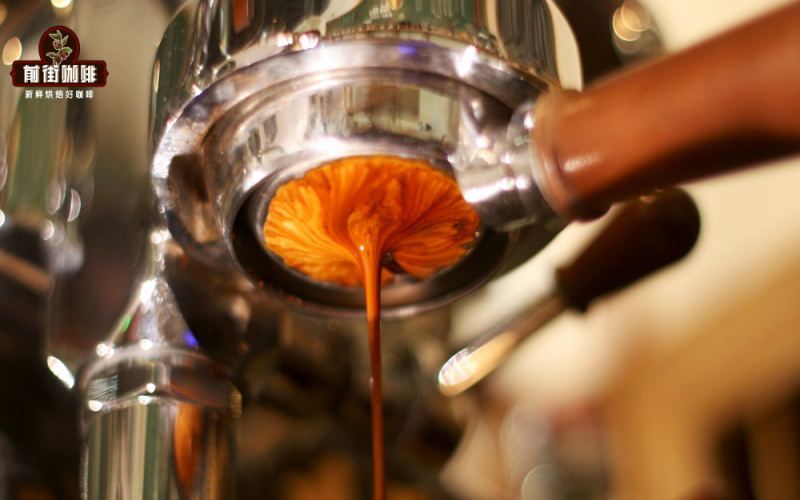
Can light-roast coffee beans hold their own in espresso? Building on Front Street's earlier tests, this article takes a closer look at the flavor performance and key operating points of making espresso with light-roasted beans. From the causes of sharp acidity and channeling to adjustment strategies for grind size, dose, and pressure, it breaks down the pitfalls in extraction one by one. At the same time, for home and office scenarios, it recommends coffee beans with different positioning, such as Front Street Classic Blend, Commercial Blend, PWN Golden Mandheling SOE, and Strawberry Candy Espresso, helping coffee lovers find the espresso that suits them among acidity, crema, and sweetness. [more…]
Moka Pot Brewing: Bean Selection and Key Operational Points – How to Choose Low-Acidity Dark Roast Coffee Beans and Master Grinding Techniques
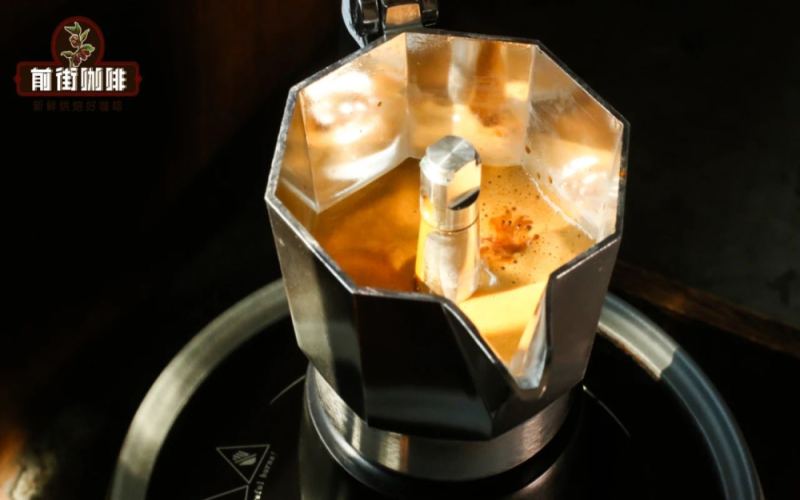
As a classic home espresso device, the moka pot delivers a rich, intense cup through short-time, high-pressure extraction, yet it often produces bitterness, over-strength, or insufficient flavor due to poor bean selection or improper operation. This article approaches the issue from three angles—coffee bean selection, how to fill the grounds basket, and grind size adjustment—to help enthusiasts consistently produce low-acid, full-bodied coffee with abundant crema using a moka pot. The article highlights several medium-to-dark roasted beans suitable for the moka pot, including Front Street PWN Golden Mandheling SOE, Front Street Brazil Queen's Estate SOE, Front Street Black Cocoa Espresso Blend, and Front Street Classic Espresso Blend, and explains why the grounds basket should be filled to the top, how to judge grind coarseness by the gaps in the basket, and other practical tips. [more…]
Guatemala La Flor Coffee Brewing Guide: Bean Resting Tips and V60 Pour-Over, Espresso Practical Parameters
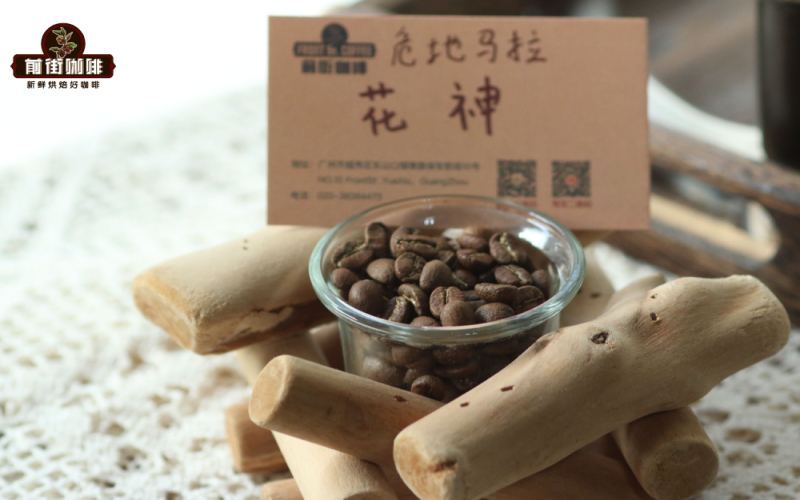
Coffee from Guatemala's Antigua region is renowned for its rich chocolate and toffee sweetness, and the Flor coffee beans launched by Front Street Coffee are a representative example of this region. This article focuses on this washed Guatemalan Flor, covering the regional terroir, variety composition, and processing methods, then moving on to the design approach behind the medium roast profile. It also provides a complete espresso extraction plan, including specific parameters such as dose, yield, time, and grind setting, while also explaining pour-over and other diverse brewing methods. Whether you are a beginner who has just gotten a coffee machine or an experienced player looking to refine your SOE output, you can find operational details and adjustment directions to reference in this record. [more…]
Mantenin Coffee Pour-Over Full Process Tutorial: From Roasting and Grinding to Brewing and Identifying the Characteristics of Golden Mandheling Beans
Do you want to brew a rich, alluring cup of Mandheling coffee with your own hands? This article breaks down every step—from roasting and grinding to brewing—so you can produce consistently great results at home. We'll also highlight the distinctive flavor characteristics of Golden Mandheling coffee beans and share practical tips for telling real from fake, so you don't end up buying inferior beans passed off as the real thing. Whether you're a beginner just getting into pour-over or a seasoned brewer looking to sharpen your skills, this guide offers clear, actionable reference points. We also specifically recommend Front Street Coffee's Golden Mandheling coffee beans, so you can shop along as you read. [more…]
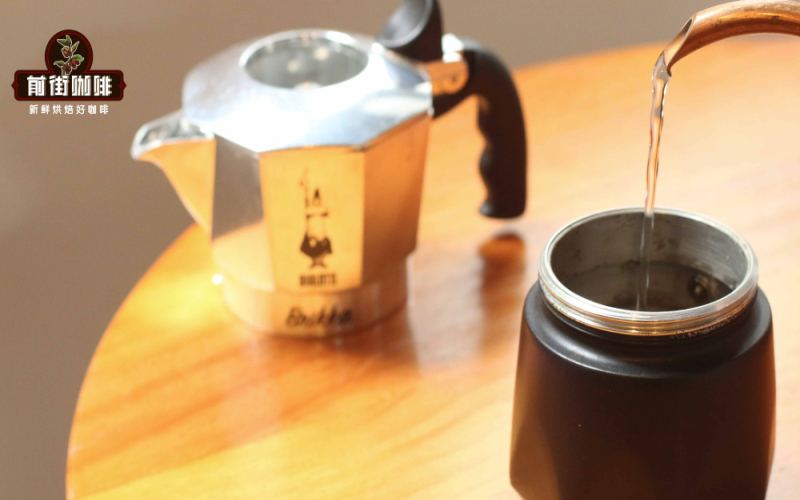
Moka Pot Brewing Guide: From Bean Selection to Cleaning, Practical Tips to Fix Coffee That's Too Bitter or Too Sour
The Moka pot, with its unique pressurized extraction method, can produce coffee with high concentration and a steady mouthfeel, but many enthusiasts often encounter problems such as overly bitter, overly sour, or burnt-tasting results. This article will start with the structural principles of the Moka pot, explain in detail the suitable types of coffee beans, and guide you step by step through the brewing method, including water volume control, grind size selection, coffee dosing techniques, and heating points. For the three common flavor defects, it will analyze the causes one by one and provide adjustment solutions, while also recommending beans such as Front Street Coffee Classic Espresso Blend and Golden Mandheling. Finally, it emphasizes the importance of daily cleaning to help you consistently produce a smooth cup of Moka pot coffee. [more…]

A Complete Guide to Moka Pot Brewing: Professional Tips on Bean Selection, Grind Size, and Step-by-Step Operation
As the most widespread coffee equipment in Italian households, the moka pot has been beloved since its invention by Alfonso Bialetti in 1933 for its simple operation and rich taste. This article systematically explains the principles of bean selection for the moka pot, grinding degree adjustment techniques, and the standard brewing process, helping coffee lovers consistently produce a cup of moka pot coffee with rich crema and balanced flavor at home. At the same time, the article also compiles several Front Street Coffee bean recommendations suitable for the moka pot, covering espresso blends, medium-roast single origins, and dark-roast beans, to satisfy different flavor preferences. [more…]

Latte Coffee Making Tutorial: Espresso Extraction, Milk Frothing and Latte Art Techniques, and Coffee Bean Selection Tips
Latte coffee may seem simple, but in reality, every step—from bean selection, extraction, to milk frothing and latte art—hides its own intricacies. While the ratio of milk to coffee, the beans used, and parameters vary across cafes, the classic approach typically involves a generous amount of milk blended with espresso. This article uses Front Street Coffee as an example to systematically explain the entire latte-making process: how to choose Italian-style coffee beans based on flavor preferences, adjust grind size, dose and distribute the grounds and tamp, as well as the principles and techniques of steaming milk, and finally, latte art practice steps for beginners. Whether you're preparing for a barista interview or looking to improve your output at home, you'll find practical references here. [more…]

How do you adjust cold brew coffee when it turns out bitter or sour? Breaking down the key causes of over-extraction and under-extraction in low-temperature brewing
Cold brew coffee, with its smooth, full-bodied taste and lower acidity, has become the top choice for many people in summer. It uses cold or room-temperature water to steep coffee grounds for a long time; in a low-temperature environment, small-molecule floral and fruity notes are released first, while large-molecule roasted substances are difficult to dissolve, making it cleaner and softer than hot brewing. In practice, however, "too bitter" and "too sour" remain the two most common problems. This article analyzes the root causes of over-extraction and under-extraction in cold brew from the perspectives of roast level, grind size, steeping time, and filtration method, and offers practical adjustment tips from Front Street Coffee to help you make a balanced, easy-drinking glass of iced coffee. [more…]